ENTERPRISE AI TRAINING
AI for Developers
For engineers who own or shape SDLC
A one-day workshop on closing the gap. Not autocomplete. Not vibes. The actual agentic SDLC workflow — plan mode, subagents, hooks, verification loops — that lets a small team ship like a bigger one, without giving up quality. Pick your stack: Claude Code or Antigravity. You'll walk out with a quantified Impact score on PR throughput, cycle time, and MTTR — and a Risk score with verification subagents running on every commit.
The same ticket. Two workflows.
Without an agentic coder
~2 days / ticketRead ticket, skim codebase ~30 min Write code, autocomplete ~3 hr Run tests, debug failures ~1 hr Open PR, wait for review + a day Address review comments ~2 hr 2 days for a medium feature
With an agentic coder
~3 hrs / ticket$ <agent> /plan "add rate limiting to /api/signals" → Agent reads repo, proposes a plan across 4 files → You review the plan, approve or redirect → Agent writes code + tests in plan-mode edits → Verification subagent runs devil's-advocate review → Commit hook: lint + tests + doc regen → You open the PR with 80% of review already absorbed ~3 hours for the same feature
WHAT WE MOVE FOR YOUR TEAM
This workshop's Impact and Risk axes.
Quantified at workshop end and verified at 30 days, on PR throughput, cycle time, and MTTR.
Impact axes
Quantified on your repo — score moves on each.
PR throughput ↑
Same engineers, 2–3× more features merged per sprint — measured on your repo, not benchmarks.
Cycle time ↓
Ticket-to-merge cut from days to hours via plan mode + verification subagents on every commit.
MTTR ↓
Agentic debugging on prod issues — incident-to-fix shrinks from a day to under an hour.
Risk axes
Managed throughout — verification subagents on every commit.
Hallucination ↓
Verification subagents catch fabricated APIs, wrong types, broken imports before review — not after merge.
Cognitive atrophy ↓
Review protocols keep your engineers reading code, not rubber-stamping AI output. Plan-mode forces decisions.
PICK YOUR STACK
Which ecosystem are you on?
Apps you’ll use
- Claude Code CLI
- Plan mode
- Subagents
- Hooks
- MCP servers
- /skills
Integrations
- GitHub via gh CLI
- Local IDE of choice
- MCP for internal APIs and data warehouse
- Hooks for lint/test/docs
A day in the life
Before: Rohan, a senior engineer, gets the rate-limiting ticket on Monday. He reads it, skims the API folder, opens five files, writes a draft, runs tests, debugs three failures, opens the PR Tuesday afternoon, addresses review Wednesday. Two days for one ticket.
After: Rohan runs `claude /plan "add rate limiting to /api/signals"`. Claude Code reads the repo's CLAUDE.md, proposes a plan across four files, runs in plan mode with verification subagent on every commit. PR opens Monday afternoon with 80% of review already absorbed. Three hours.
WHAT YOU’LL TAKE HOME
- Agentic coder across the full SDLC — not just codegen
- A repo-wide context file so conventions never get re-taught
- A verification subagent that reviews your PRs
- Commit hooks that run lint, tests, and docs automatically
- The lift, measured — PR throughput, cycle time, MTTR
Take home: a CLAUDE.md/AGENTS.md, a verification subagent, a hooks config, a 30/60/90-day adoption plan.
WHO TEACHES THIS
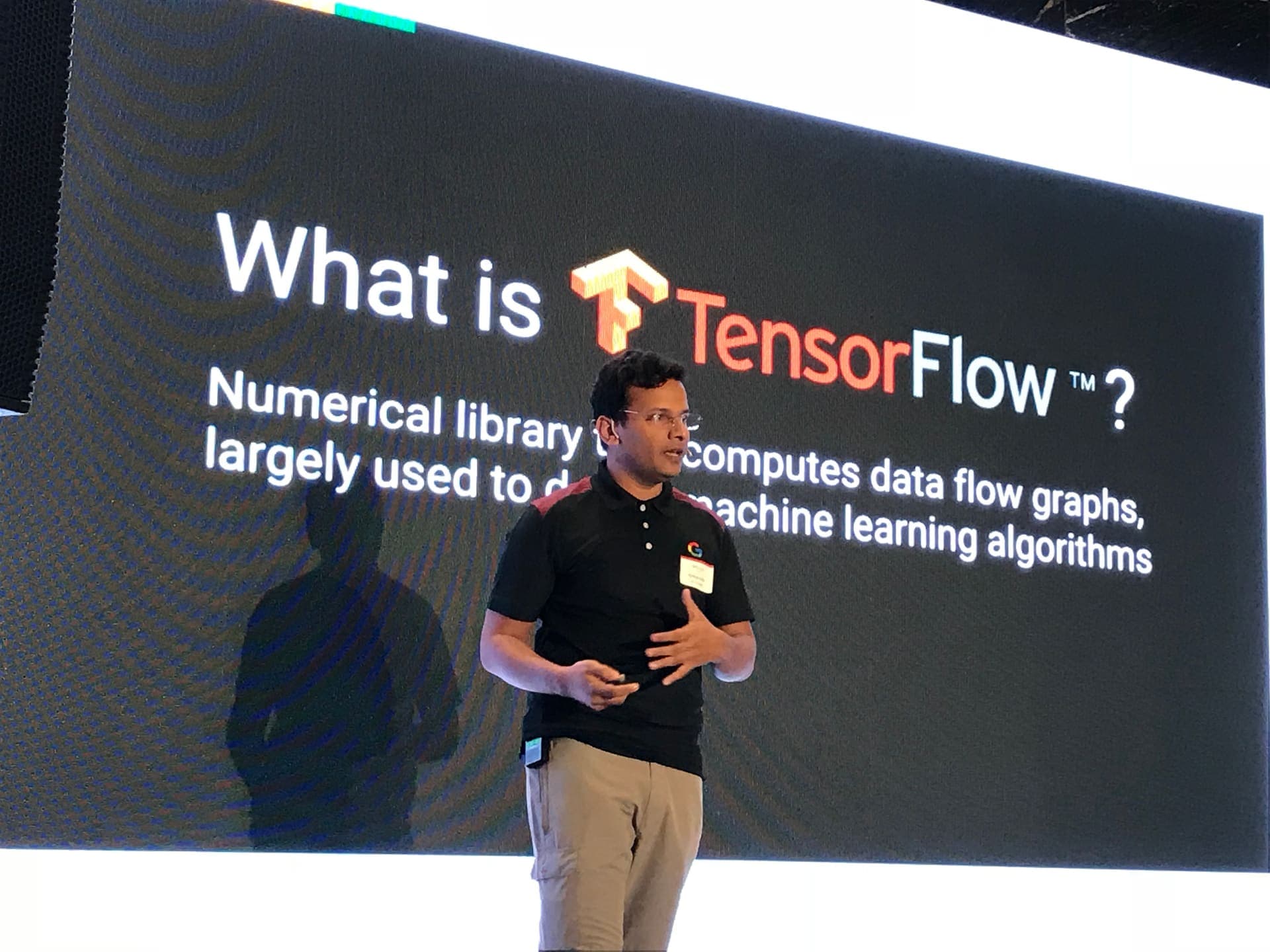
Ajinkya Kolhe
CTO
11 years in AI — from Google Cloud to IIT Bombay to Morgan Stanley. 300,000+ developers across 7+ countries. Built the SIRA risk framework and the live Pulse dashboard. 2x TedX Speaker.
On-site or remote. Built for 10–20 engineers on the same codebase. Enterprise subscription required (we'll help you scope it). Duration scoped per engagement.
Mail ajinkya.kolhe@purnamedha.ai for team details.
Request dates for your team